The Future Polymer is Circular

The era of "take, make, waste" is closing.


As we transition away from fossil-dependent materials, Biobased Circular Plastics are emerging as the definitive solution for a planet that demands better.

By combining renewable origins with a closed-loop lifecycle, we aren’t just reducing trash—we are redesigning our relationship with resources.

Why?

Plastics make up a large part of what we interact with every day, an average dane consumes about 200kg of plastics a year according to a study from SDU (University of Southern Denmark). 

That equates to more than 1.3-1.5 million tons a year.


23% of this is recycled, only 1-2% is biobased.


This means that a vast majority of the produced plastic products aren't recycled and aren't based on a renewable resource.


This is why we believe that Theres a need for circular derived plastics.


What?

PLAGrain is a PLA derived from brewer's spent grain, a sidestream from breweries typically wasted as biomass for biogasification. 


Where conventional PLA typically is extruded or used as filament for 3D printers, PLAGrain is designed for injection molding with existing equipment and tools, while still working great for filament.


PLA isn't considered biodegradable, so many will raise the fair question: "Why PLA?" and in isolation that's a fair question, however we need to recognize that today, almost all plastics are petrochemical, and the lions share of those aren't recycled properly either.


PLAGrain is the first of many polymer-products from Nordinvent, it's price-competitive, it emits up to 80% less Co2 in production compared to petrochemical plastics, it's compatible with the current infrastructure, and it's ready to make a difference Today.


How?

As stated above PLAGrain is a PLA or PolyLactic Acid derived from brewer's spent grain. It's a polymerized lactic acid, one of the most common acids in nature. 


This process is achieved by breaking down the spent grain to simple sugars; the building blocks of most plant matter. Then the sugars are fermented into Lactic acid and after that the lactic acid is cleaned and polymerized, a process where the short lactic acid molecule is forced into pairs, and then bound into large chains with pressure, heat and catalysts.


At Nordinvent We've made several changes to the conventional methods, and achieved a very high efficiency of process, by combining proprietary hard-tech solutions with biotech processes, to achieve scaling efficiency.


This is why we believe that the future polymer is circular


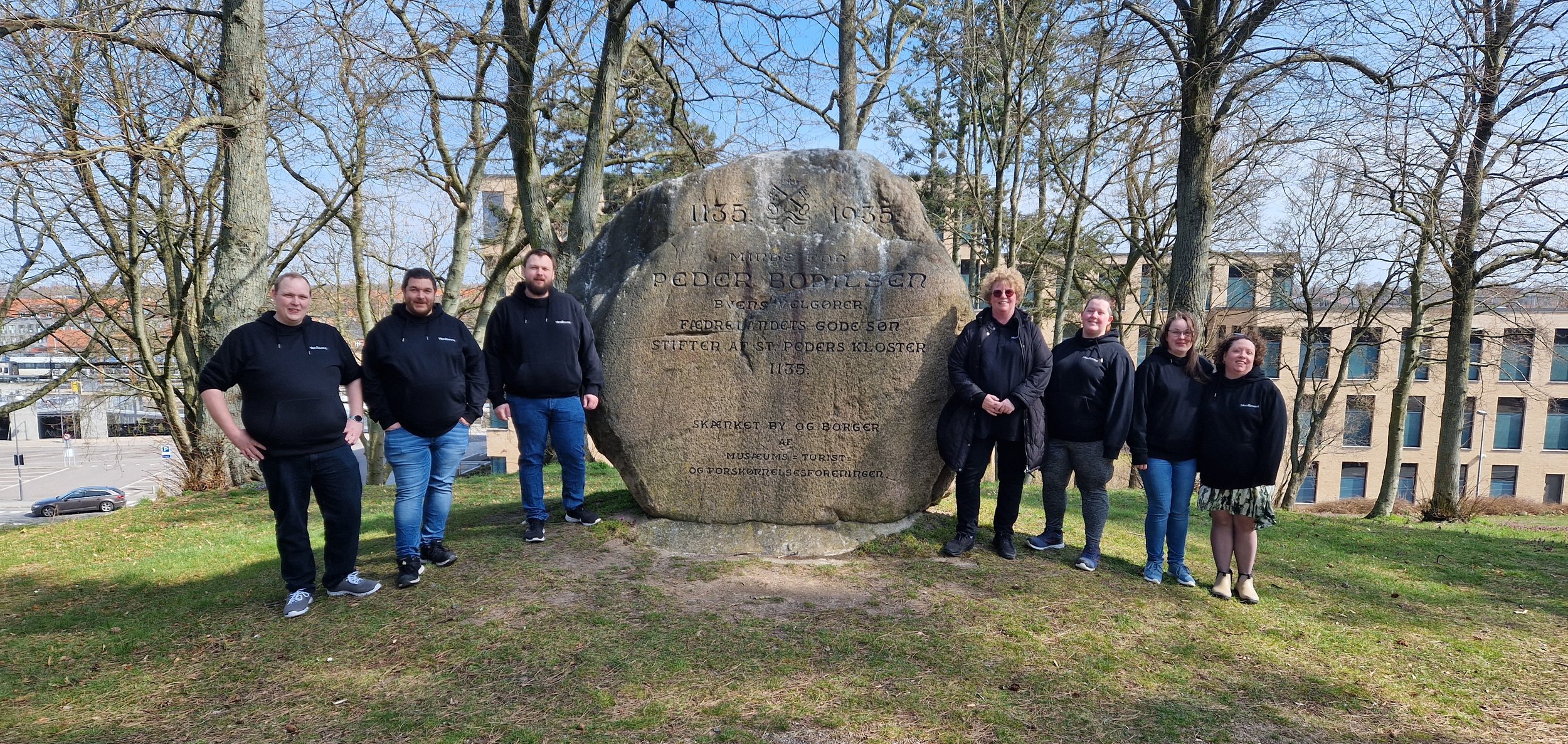
Team

Marianne
CCO & Sustainability

Rikke

Bioteam lead

Lars

CEO 

Anders

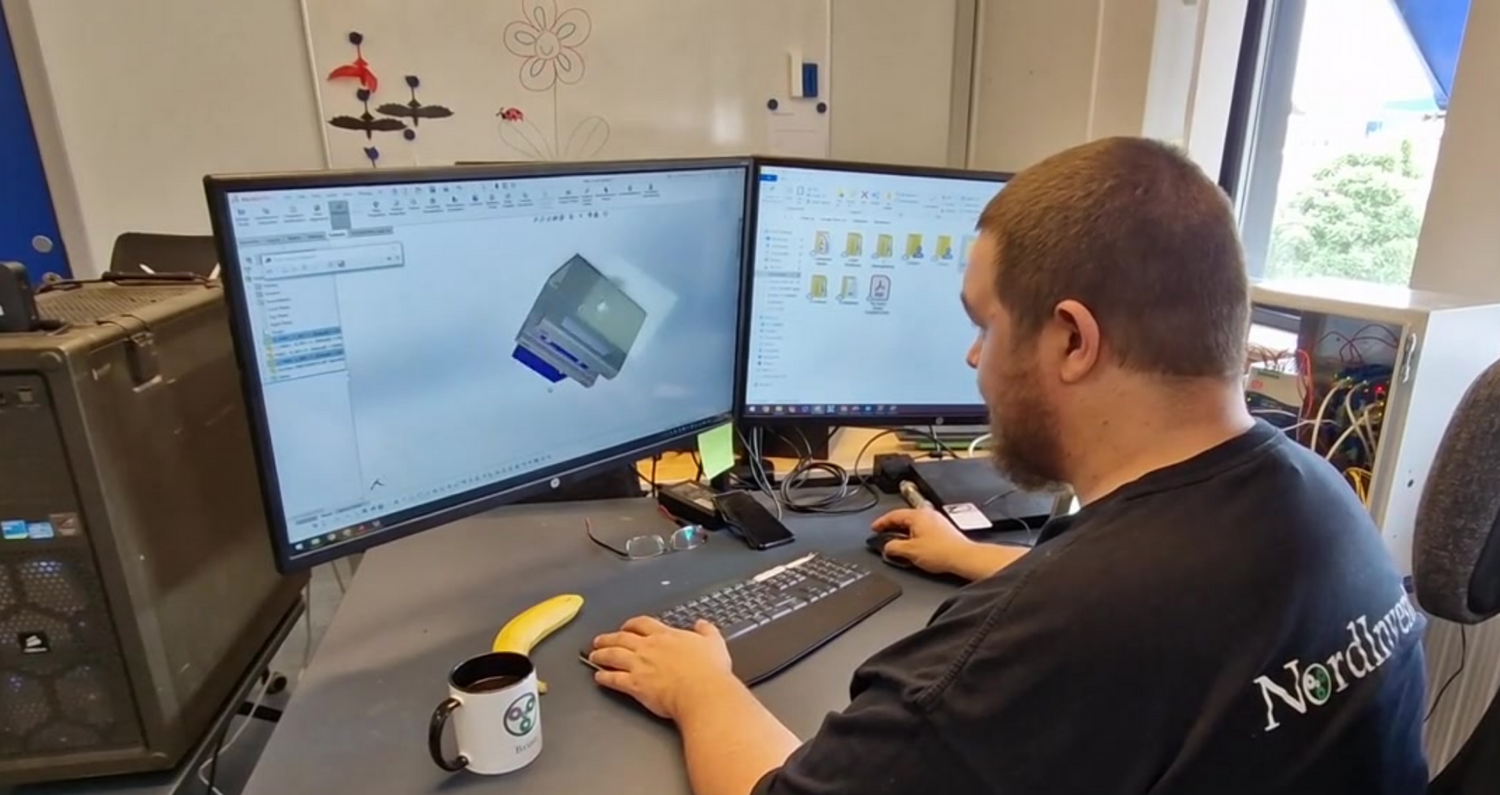
Technical designer Apprentice